
If you have been publishing blog posts consistently and watching your analytics flatline, you are not alone. In 2026, the blogging landscape is more competitive than ever — but the bloggers who understand how search, AI, and audience behavior have evolved are quietly pulling ahead of the pack. I have spent the last several years growing content sites from zero to hundreds of thousands of monthly visitors, and the playbook has changed significantly. The old advice — just write great content and wait — is a death sentence for your blog. Here is exactly what is working right now to grow blog traffic fast.
Nail Your Topical Authority Before Chasing Keywords
Google’s ranking systems in 2026 are deeply focused on topical authority — the idea that your site comprehensively covers a subject area rather than publishing scattered posts across random niches. Before you write another word, audit your existing content and ask: does this blog own a clear topic cluster? Tools like Ahrefs, Semrush, and Surfer SEO make it straightforward to identify content gaps and map out pillar pages with supporting cluster posts.
Here is a practical example. If you run a personal finance blog and you have three posts about budgeting but nothing about debt payoff methods, savings accounts, or investing basics, Google sees an incomplete picture. Build out the full topic web, interlink your posts intentionally, and you signal expertise at scale. Sites that apply this model consistently are seeing organic traffic increases of 40–80% within six months, based on case studies published by the Ahrefs blog and similar industry sources.
How to Build a Topic Cluster That Ranks
Start by choosing one core pillar topic — something broad enough to support at least 15 supporting articles. Write a comprehensive 3,000-plus word pillar page targeting a high-volume, moderately competitive keyword. Then publish cluster posts targeting long-tail variations, questions, and subtopics that all link back to the pillar. Use Google Search Console to monitor which cluster posts gain traction first, then double down on those subtopics by expanding coverage. This compound effect is what separates blogs growing at 5% per month from those growing at 30% per month.
Optimize for AI-Powered Search and Answer Engines
This is the strategy most bloggers are still sleeping on. In 2026, a significant share of search queries are being answered directly by AI systems — including Google’s AI Overviews, Perplexity, and ChatGPT’s browsing features. The bloggers winning in this environment are not fighting AI; they are feeding it.
Structured, well-organized content that directly answers questions gets cited as a source in AI-generated answers. This drives referral traffic back to your blog even when you are not ranking in the traditional top-three positions. To optimize for this, use clear heading hierarchies, include concise definitions and summaries near the top of posts, add FAQ sections with schema markup, and make your expertise explicit — bylines, author bios, and credentials matter more than ever for E-E-A-T signals.
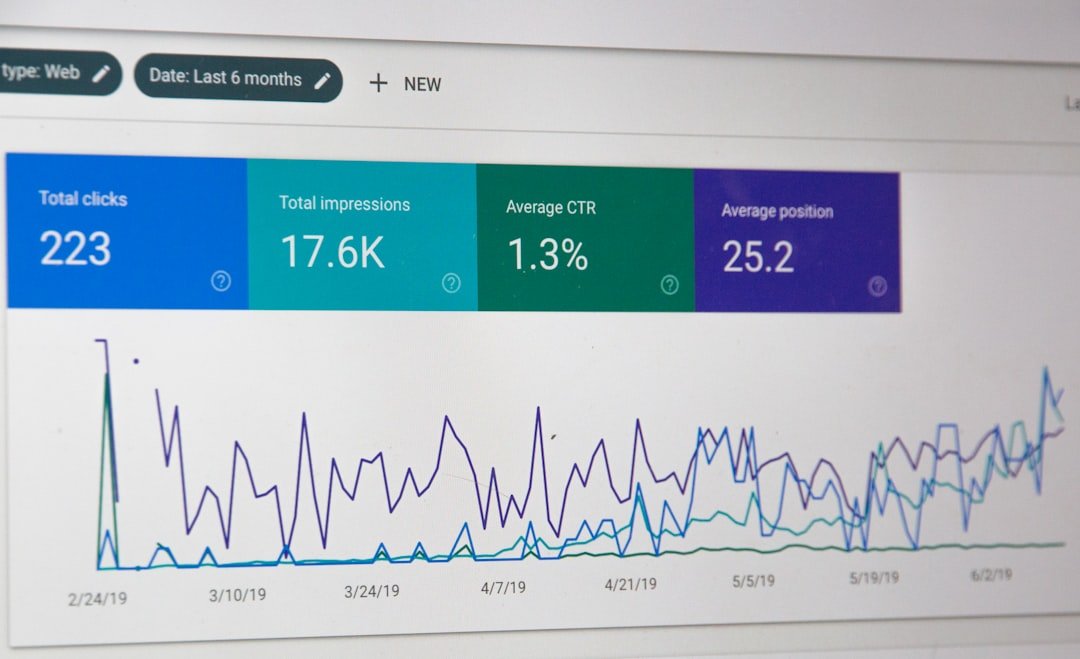
Tools like AlsoAsked and AnswerThePublic remain excellent for surfacing the exact questions your audience is typing into AI search interfaces. Write content that directly addresses those questions in the first 100 words, then goes deeper. Blogs that restructured their content architecture around this approach have reported 20–35% increases in organic click-through rates within 90 days.
Schema Markup Is Not Optional Anymore
Implementing FAQ schema, HowTo schema, and Article schema is now a baseline requirement if you want your content surfaced in AI Overviews and featured snippets. If you are on WordPress, plugins like Rank Math and Yoast SEO Premium make adding schema markup relatively painless. If you are on a custom setup, Google’s Structured Data Markup Helper is your friend. Do not skip this step — it is one of the highest-ROI technical SEO tasks available to bloggers right now.
Leverage Short-Form Video to Drive Blog Traffic
The bloggers growing fastest in 2026 are not treating their blog as a standalone asset. They are using short-form video on platforms like TikTok, Instagram Reels, and YouTube Shorts as a top-of-funnel traffic engine pointing back to the blog. The strategy is simple but powerful: create 30-to-60-second videos that tease the insights inside a blog post, then direct viewers to the full article via your link in bio or pinned comment.
I have tested this across multiple content sites and the results are consistent. A single viral Reel or TikTok can drive 5,000 to 15,000 new visitors to a blog post in 48 hours — traffic volume that would take months to achieve through SEO alone from a standing start. You do not need expensive equipment. A smartphone, natural lighting, and a script based on your best-performing blog posts are enough to get started. Tools like CapCut, Descript, and Opus Clip make repurposing existing content into video clips fast and affordable.
The key is consistency and volume. Aim for at least three to five short videos per week during your growth phase. Analyze which video formats and hooks drive the highest click-through to your blog links, then systematize that content type. Pair this with an email capture on your blog — use tools like ConvertKit or Beehiiv — so every social visitor becomes a subscriber you own.
Implement a Proactive Link Building System
Backlinks remain one of the top ranking factors in 2026, and earning them passively is a fantasy for most bloggers outside of already-established domains. You need a systematic outreach process running in the background every single week, not just when you feel motivated.
The most effective link building approaches right now include digital PR, original research and data studies, and strategic guest posting on relevant industry sites. For digital PR, publish original survey data or industry statistics that journalists and bloggers in your niche will want to cite. Use HARO alternatives like Connectively and Qwoted to respond to journalist queries and earn editorial backlinks from high-authority publications. Even two or three strong backlinks per month from DA 50-plus sites can meaningfully move your rankings within a quarter.
Guest posting still works — but only when you are strategic. Identify the top 20 blogs in your niche using Ahrefs’ Site Explorer, pitch genuinely valuable content ideas tailored to their audience, and include a natural contextual link back to a high-value pillar post on your site. Track your link velocity in Ahrefs or Semrush monthly and aim for steady, consistent growth rather than spikes that can trigger algorithmic scrutiny.
Speed Up Publishing With an AI-Assisted Content Workflow
One of the most overlooked traffic levers for bloggers is publishing volume — and AI tools have made it possible to responsibly scale output without sacrificing quality. Tools like Claude, ChatGPT, and Jasper can dramatically accelerate research, outlining, and first-draft creation. The bloggers winning with this approach use AI as a research and drafting assistant, then apply their own expertise, real-world examples, and editorial judgment to produce genuinely useful final articles.
The goal is not to flood your blog with thin AI content — Google’s spam systems are sophisticated enough to identify and discount that. The goal is to remove the bottlenecks in your workflow so you can publish two to three high-quality posts per week instead of one. Over 12 months, the compound traffic effect of a larger, well-optimized content library is enormous. Blogs that scaled from 4 posts per month to 10 posts per month — using AI assistance with rigorous human editing — have documented traffic growth of 150–300% year-over-year in public case studies shared on communities like Niche Pursuits and Authority Hacker.
Pair your volume strategy with a content repurposing system. Every blog post should become a newsletter, a short-form video, a LinkedIn post, and a Pinterest graphic. Tools like Missinglettr and Buffer can automate much of this distribution. This multiplies your traffic touchpoints without requiring proportionally more creative effort.
Final Thoughts: Consistency Beats Tactics
Growing blog traffic fast in 2026 is absolutely achievable — but fast is relative. The bloggers I see hit significant traffic milestones in six to twelve months are not running one tactic in isolation. They are building topical authority, optimizing for AI search, driving social traffic, earning backlinks, and publishing consistently, all at the same time. Pick two or three of these strategies and execute relentlessly for 90 days before evaluating results. Track everything in Google Analytics 4 and Search Console. Double down on what moves the needle, cut what does not, and keep publishing. The compounding nature of a well-run blog is still one of the most powerful traffic and revenue assets you can build in the digital economy today.